A sink that drains slowly, gurgles, or backs up is never “just a small problem.” In most cases, the clog grows over time and eventually blocks the flow completely — often at the worst possible moment. In this article, we explain how to unclog a sink safely, what to avoid to prevent damaging your pipes, and in which situations the intervention of a specialist like Plomberie JG becomes the best option (and the most cost-effective in the long term).
Why does a sink clog so often?
A sink rarely clogs all at once. Most often, it is a gradual buildup:
- Grease and oils: they solidify in the piping and trap debris.
- Food residue: especially without a strainer, it accumulates in the trap.
- Soap and products: some leave a sticky film that catches other debris.
- Mineral deposits: common in certain areas, they reduce the internal diameter of pipes.
- Stuck objects: caps, labels, small utensils, etc.
Understanding the cause helps unclog a sink without making the situation worse.
Signs you need to act quickly
You should try to unclog a sink at the first symptoms:
- Water takes more than 10–15 seconds to drain.
- Persistent odors near the drain.
- “Glugging” sounds after use.
- Water backing up into the sink when the dishwasher drains.
- Minor backflow (water rises then goes back down).
The longer you wait, the more compact the clog becomes — and the harder it is to unclog a sink.
DIY methods: effective… if done correctly
- Hot water + soap (for light grease). For an early-stage clog, you can try to unclog a sink by pouring a large amount of very hot water (not boiling if you have fragile PVC pipes) with some dish soap. The goal is to soften the grease.
- The plunger (often underestimated). A plunger is a simple solution to unclog a sink when the clog is near the trap.
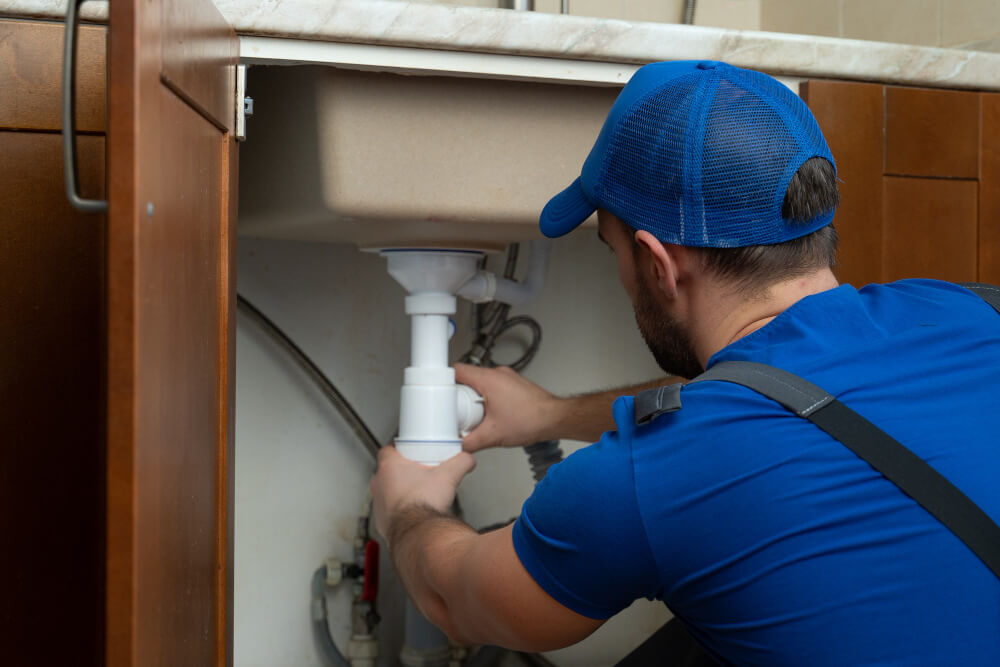
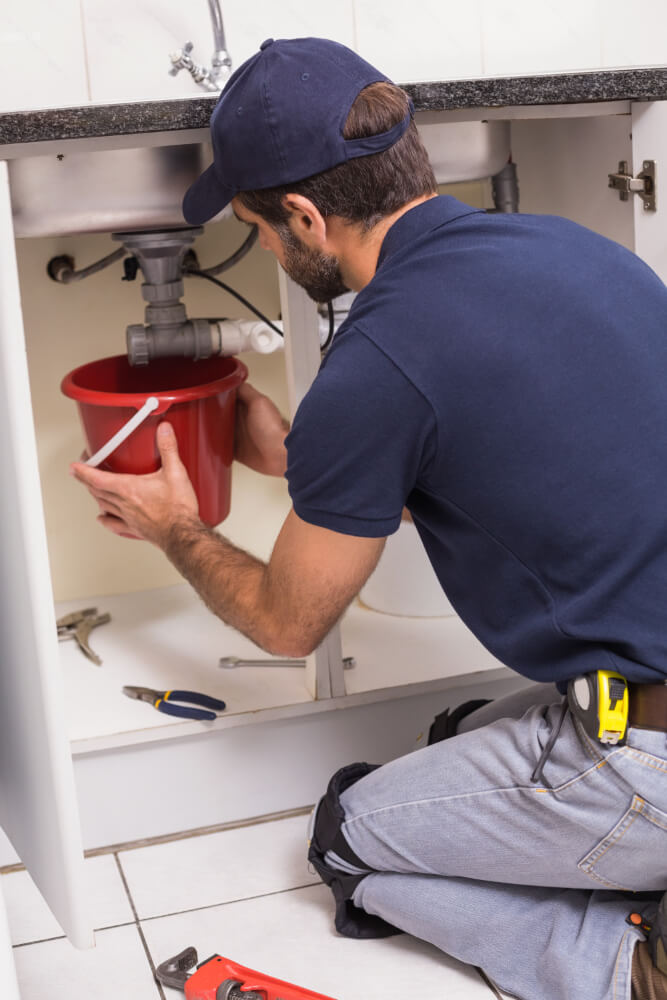
- Cleaning the trap (if you are comfortable). Under the sink, the trap (U-shaped) often holds debris. Placing a bucket, carefully unscrewing it, removing the buildup, and rinsing may be enough to unclog a sink. If you are not comfortable (or if the seals seem worn), it is better to avoid leaks and call a professional.
- The manual snake (with caution). A drain snake can help unclog a sink if the clog is farther down the line. Turn slowly, without forcing. Too much force can damage fittings or puncture a weakened pipe.
What is better to avoid (so you do not make it worse)
• Chemical drain cleaners: they can corrode certain materials, release irritating fumes, and complicate a technician’s intervention (chemical hazard).
• Repeated boiling water: may soften certain pipes or seals.
• Forcing with a cable: risk of disconnecting a fitting and creating a leak.
• Random “internet recipe” mixtures: some combinations can react and be dangerous.
If you have already tried several methods and still cannot unclog a sink, the problem is probably deeper than the trap.
When to call Plomberie JG
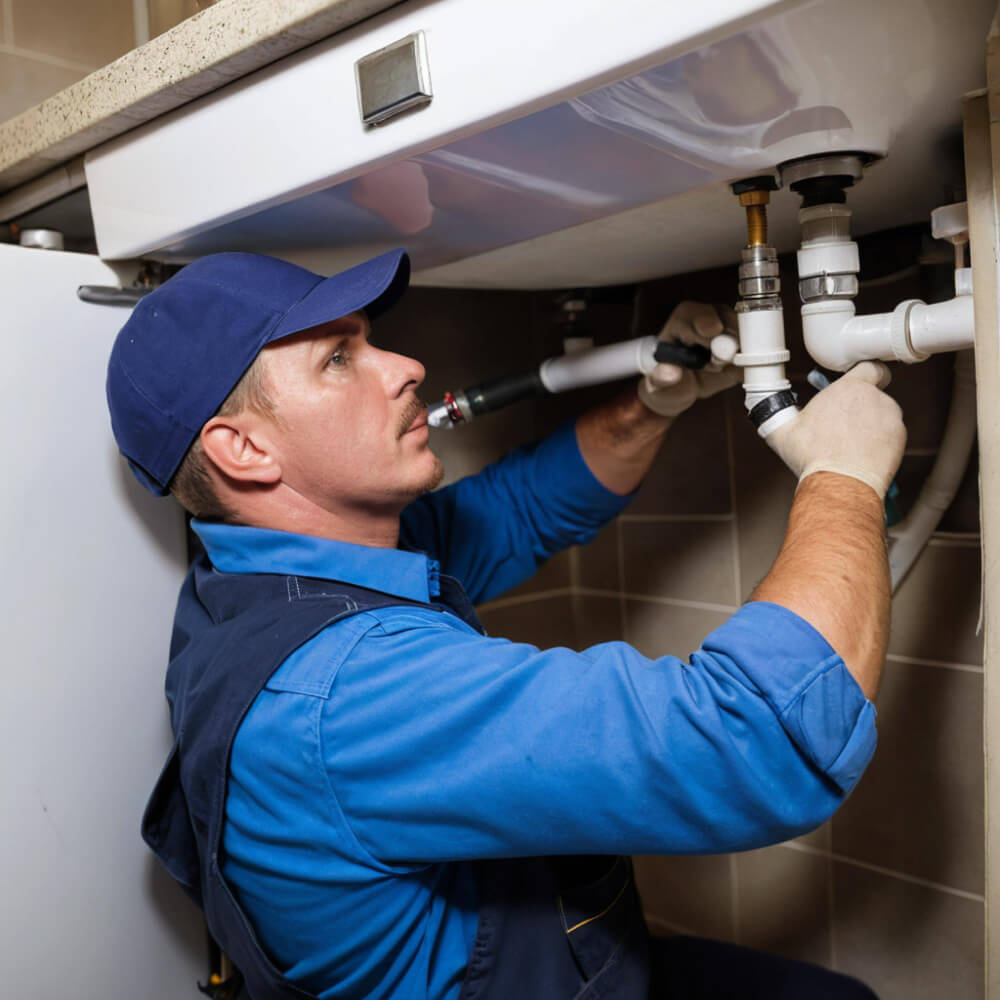
An expert becomes the best solution to unclog a sink when:
• The clog returns regularly (a sign of pipe buildup).
• Several drains are slow at the same time (indicating a more global issue).
• There is backflow or dirty water coming up.
• You suspect a blockage in the main line.
• You want to avoid damaging the plumbing (and paying more later).
Plomberie JG responds quickly, including emergencies, using appropriate methods (professional equipment, accurate diagnosis, clean intervention). The goal is not only to unclog a sink, but to reduce the risk of recurrence by addressing the real cause.
If you have tried everything or if the problem keeps coming back, the safest choice is to leave the task to a specialist. Contact us for fast, clean, and safe service — and to unclog a sink by addressing the true cause of the blockage.