A drain that becomes clogged does not always give a clear warning… until the day water backs up, bad odors appear, or worse: a sewer backup in the basement. In Quebec, with freeze/thaw cycles, heavy rainfall, and normal pipe wear, drain maintenance is not a luxury. Drain cleaning is one of the best ways to protect your property, avoid emergencies, and extend the lifespan of your plumbing system.
What is the purpose of drain cleaning?
A drain cleaning service aims to remove buildup that accumulates inside pipes: grease, soap, hair, food residue, sludge, sediment, paper, limescale, and sometimes even roots. Over time, these materials reduce the effective diameter of the pipe. The result: slower drainage, increased pressure, and a much higher risk of blockage.
A proper drain cleaning does not simply “push” a clog further down. The goal is to restore normal flow and reduce the likelihood that the problem will return quickly.
Signs you need drain cleaning
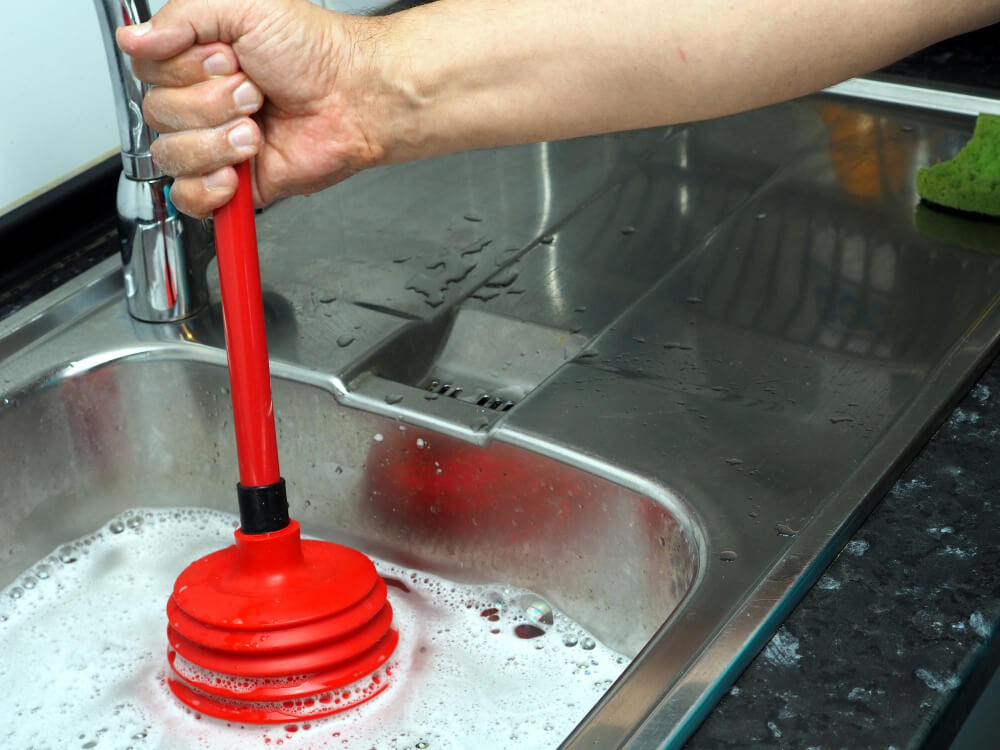
Here are the most common warning signs that drain cleaning is likely necessary:
• Slow drainage in the sink, shower, or bathtub
• Gurgling sounds in the pipes (especially after flushing a toilet)
• Sewer odors or persistent smells near drains
• Water backing up into another fixture (for example: the shower filling when the washing machine drains)
• Recurring clogs despite using a drain opener
• Water on the floor near a basement drain
If you notice two or more of these symptoms, a complete drain cleaning is often more effective than temporary solutions.
Effective methods (and what to avoid)
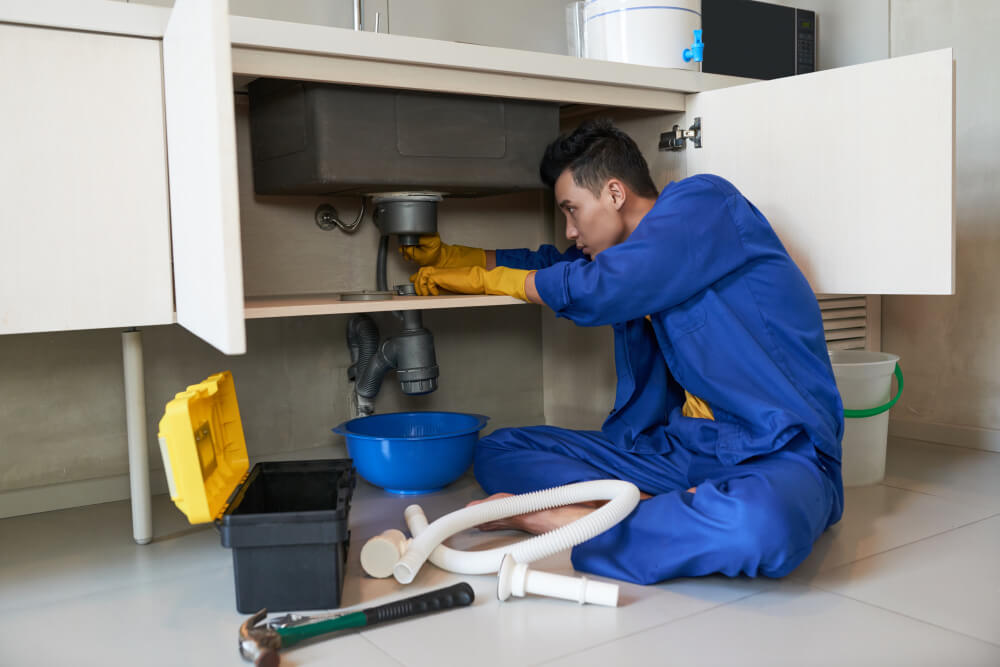
Professional drain cleaning may include:
• High-pressure cleaning (hydro-jetting): highly effective for removing grease, sludge, and buildup.
• Mechanical snaking: useful for breaking through certain clogs and removing compact masses.
• Camera inspection: confirms the cause (roots, pipe collapse, accumulation) and targets the real issue before or after drain cleaning.
At Débouchage 24/7, the most reliable approach is generally to assess the situation first (and inspect if needed), then choose the method that truly cleans the line—not just a quick temporary fix.
What to avoid (often)
• Harsh chemical products: can damage certain pipes, fail to address the root cause, and create safety risks during professional intervention.
• “Miracle” online tricks: some worsen the obstruction or push it farther down the system.
A properly performed drain cleaning should reduce repeat issues, not increase them.
How often should you schedule drain cleaning?
There is no single universal frequency, but these guidelines help:
• Single-family home: if everything functions normally, residential drain cleaning as needed (when signs appear) or periodically depending on usage.
• Duplex / rental building: more regular maintenance, since usage is heavier and varies by tenant.
• Restaurants / high-activity kitchens: grease buildup requires more frequent service.
One reactive visit may resolve an issue, but preventive drain cleaning (scheduled strategically before a blockage occurs) often costs less than an emergency involving property damage.
If you are experiencing slow drainage, persistent odors, or backflow, the safest option is to entrust drain cleaning to a professional. Contact Débouchage 24/7 now for fast emergency service or to schedule maintenance that protects your property.